
Monsoons and trekking enthusiasts are like that inseparable couple. The power of monsoons to transform the landscape and the great outdoors is undeniable. Isn’t there something soothing about the rhythm of falling rain while trekking? An understated, refreshing experience indeed.
Just like any other explorer, we also believe in treating ourselves to an adventure during the monsoon season. There are specific regions in India where the monsoons manage to elevate the trekking experience. Hence, people save their visit to these places for August. So here are the 5 best treks to experience in August, when graced by the refreshing showers.
5 Of The Best Trekking Experiences In August
Valley Of Flowers In Uttarakhand
The Valley Of Flowers is the most popular trek in the state of Uttarakhand. The specialty of this valley is being surrounded by colourful flowers, waterfalls and spectacular mountain views. The valley welcomes visitors from the month of June onwards. Ideally, July/August are the best months to be here, as the flowers are in full bloom, making the place even prettier. This site is also recognized as a UNESCO World Heritage Site, because of which it manages to be on the bucket list for trekkers from all over the world.
Let’s go over the base town and city to get here. As we’ve mentioned, the Valley lies in the Chamoli district in the state of Uttarakhand. The closest point to start your journey should be Haridwar/Dehradun/Rishikesh. There are bus services available from these cities to get you to Joshimath. This city is just the first step into this state, and you could spend a night here to recover from the bus journey.
The next day, you’d need to take another sharing jeep or tourist vehicle to get to Govindghat, which is a 1-hour drive. 4 kms from Govindghat is your base village for the trek, Pulna Village. Here you’ll find plenty of accommodation options, and the actual trek from here to the Valley of Flowers is 9kms.
This trek is thoroughly enjoyable because you never feel tired. All thanks to the perfectly pleasant weather that keeps you motivated. It’s also interesting because you’ll meet plenty of avid trekkers from all over the world. So you end up indulging in great conversations with fellow travelers’ stories, too.
The most beautiful part of the valley is the starting point of the Pushpawati River. If you have more time, do explore the trail to Hemkund Sahib, which is a Sikh pilgrimage place of worship. It will be tough to say goodbye to this valley!
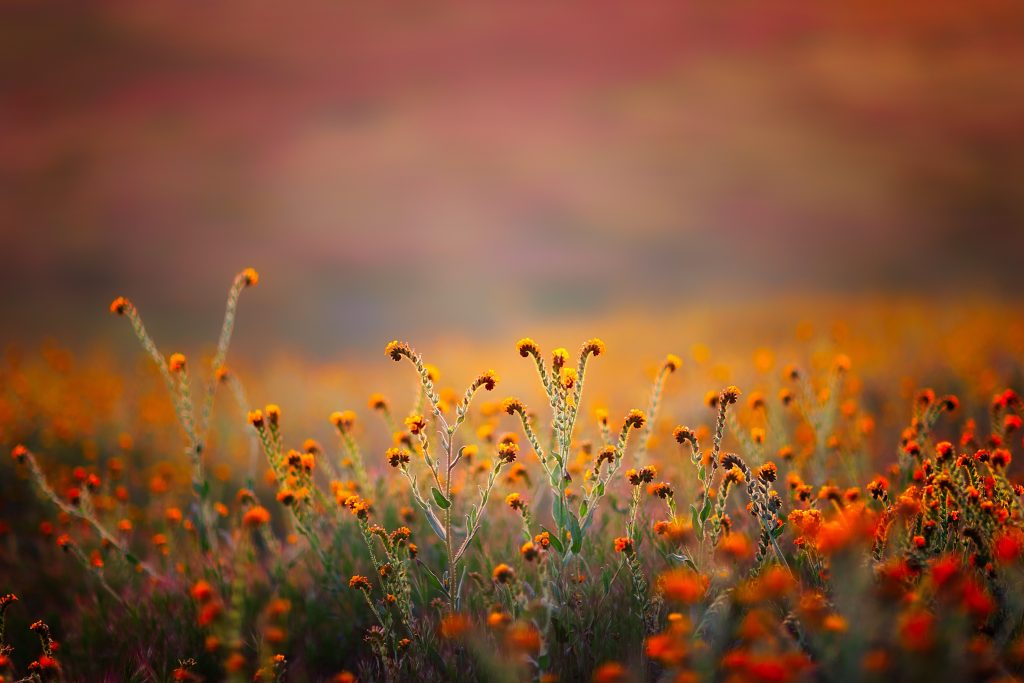
Organizing a trek here is not very difficult as it’s a well-marked trail. The place frequently experiences visits by tourists. So there are enough lodges and tons of information, which we’ll be sharing in brief, so you can tick this off your trekking bucket list.
Keep in mind that this would be considered a moderate-level trek, and the place only opens in June. There’s an entry fee of ₹150 for Indians and ₹600 for foreigners. It would take you around 3-4 hours to explore the valley, and it’s a multi-day trek. You can choose to explore it for a minimum of 3 nights to a maximum of 6 nights.
Let’s go over the base town and city to get here. As we’ve mentioned, the Valley lies in the Chamoli district in the state of Uttarakhand. The closest point to start your journey should be Haridwar/Dehradun/Rishikesh. There are bus services available from these cities to get you to Joshimath. This city is just the first step into this state, and you could spend a night here to recover from the bus journey.
The next day, you’d need to take another sharing jeep or tourist vehicle to get to Govindghat, which is a 1-hour drive. 4 kms from Govindghat is your base village for the trek, Pulna Village. Here you’ll find plenty of accommodation options, and the actual trek from here to the Valley of Flowers is 9kms.
This trek is thoroughly enjoyable because you never feel tired. All thanks to the perfectly pleasant weather that keeps you motivated. It’s also interesting because you’ll meet plenty of avid trekkers from all over the world. So you end up indulging in great conversations with fellow travellers’ stories, too.
The most beautiful part of the valley is the starting point of the Pushpawati River. If you have more time, do explore the trail to Hemkunt Sahib, which is a Sikh pilgrimage place of worship. It will be tough to say goodbye to this valley!
Hampta Pass Trek With Chandratal
Himachal Pradesh is the most toured state for treks in India. The Hampta Pass Trek is the most convenient trek to take here when the mountains call to you. The pass is at an altitude of 4,270 meters above sea level, and the starting point for this trek must be Manali. You get two completely diverse views, considering the pass is between Lahaul’s Chandra Valley and Kullu Valley of Himachal Pradesh. The best of both worlds. Kullu is greener, and Lahaul has a dry, rocky look.
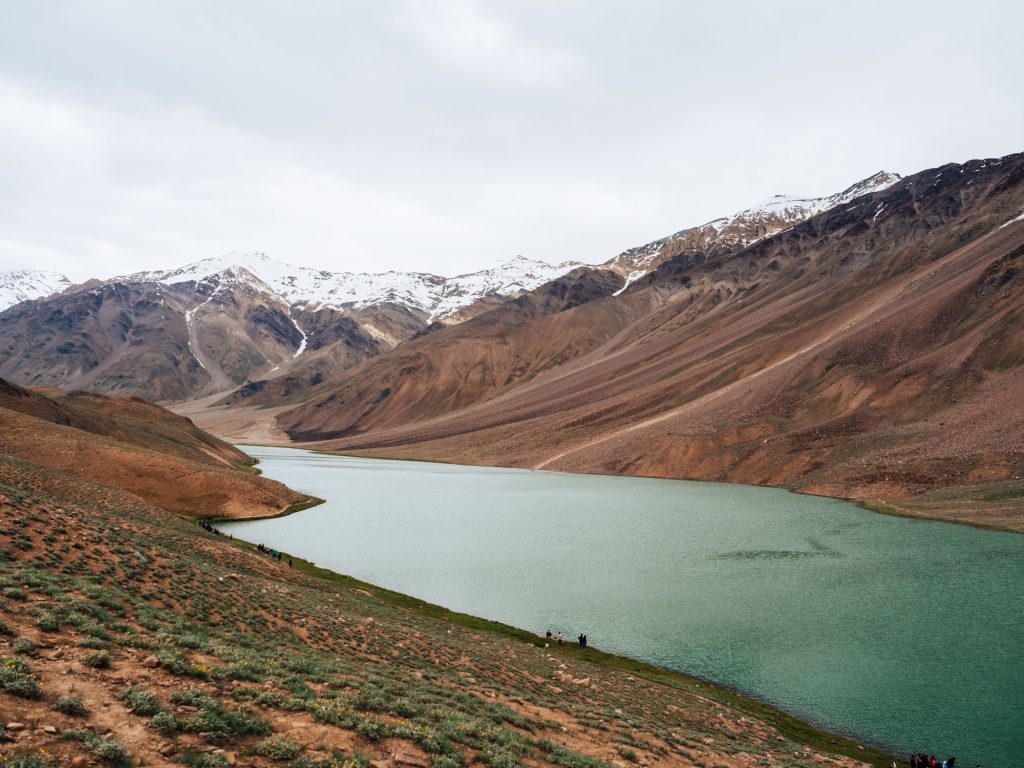
You’ll pass fast-flowing rivers, glaciers, and the terrain can be challenging, but it’s still doable for beginners. A place that’s not missed out here is the glistening Chandrataal, a lake which is the gem of this trek. The monsoons give a different charm to the place, while the mist and clouds are soothing.
This is also a multi-day trek which would require 5-6 days to complete. Some of the inevitable stops you’d make while trekking are Chika, Balu Ka Gera and Charu.
It’s better to do this trek with a group, as organizing a trek here can be slightly challenging. An organized trek would ensure you have the right trekking gear and tents set up. It would cost you about ₹10,000. Note that this is an approximate initial per-person cost if booked well in advance.
The base camp for the trek is a place called Rumsu, which is 45 minutes away from Manali. Your first day at the base camp will be for resting and acclimatization. Your base camp could be different depending on the organization that’s planning your trek.
After spending the first night in a village lodge, the rest of the nights will be spent in camps at specific highlights, such as Chikka, Balu Ka Ghera, Shia Goru, Chandrataal and Chatru. From Chatru to Manali, the distance isn’t too far, making it a good endpoint. You would even cover snow patches in August and might get to see Indrasan, the highest peak point of Manali, during this trek.
Beas Kund Trek
Beas Kund is an alpine emerald lake in Himachal Pradesh that is surrounded by towering mountains. It is situated at a high altitude of 3,800 meters. The name Beas has been derived from the word Vyas (Sage), while Kund means a lake. It is believed that Rishi Vyas, the author of the Indian epic Mahabharata, took his daily bath in this lake. The landscapes and water streams here are insanely rejuvenating.
This is a short 4-day trek, easily accessible from the town of Manali. You would be accompanied by forests of pine and deodar. The streams are fast flowing, and the lake itself is just majestic. The air feels refreshing, and the best part is that it isn’t much of a task to get here. You’d capture some panoramic views of the peaks of Deo Tibba and Pir Panjal mountain ranges.
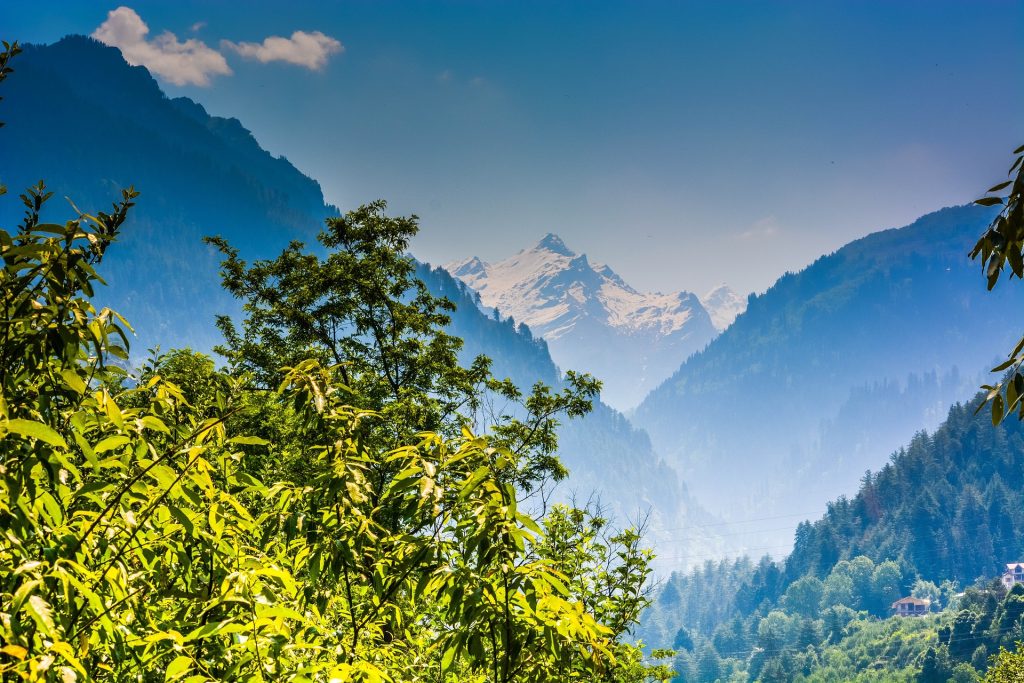
Solang Valley must be considered as the base point of the Beas Kund Trek, which is around 15 kilometres away from Manali. An organized trek here would cost approximately ₹6,000 per person.
Bakarthach and Dhundi are two important stop points on this trek. Dhundi is known as the birthplace of the river Beas and is surrounded by dense forests of oak and deodar. Bakarthach is special in its way, flaunting a spectacular view of the Himalayan mountain range. You would capture the peaks of Deo Tibba, Hanuman Tibba and Shitidhar.
Stargazing and river crossing make this an unforgettable trek. The special experience of the trek in monsoons is the views of oak and deodar with mountain ranges in the backdrop.
Andharban Trek
It’s impossible to leave the Western Ghats from this list, considering how stunning and popular the Sahyadri ranges are among hikers. Trekking the Sahyadri ranges during the monsoons is a thrilling experience because the forest comes alive. One of the most refreshing treks in the Sahyadri region is the Western Ghats.
The word Andharban is a combination of Andhar, meaning ‘Dark’ and Ban, meaning ‘Forest’. It translates to ‘the dark forest’. This is because the region is covered by a forest so dense, there’s hardly space for sunlight to hit the ground. Of course, this is a slight exaggeration, as the density of the forest is, in reality, scattered. While on this trek, you’d get to see the famous Devkund Waterfall, Plus Valley and the Tamhini Ghat.
The base point for this trek is the Pimpri village, while the end point is Bhira Dam. Between the start and end points, there’s a village called Hirni where you can stop for lunch. If you wish to stay the night, you can lodge in Patnus or enjoy overnight camping or lakeside camping at Bhira Dam.
Pimpri can be easily reached from Pune, Lonavala or Mumbai. There is a fee from the starting point, which is approximately ₹150. A mere amount to explore one of the most beautiful misty forests of the Sahyadri region. The Andharban Trek is also known as the 13 Km Misty Trail. You would spot white arrows on rocks or ribbons, tied on trees, that are markers to make the trail easy. That’s something for you to look out for.
The backwaters of the Bhira Dam in the Kundalika Valley are something you just shouldn’t miss. It would take you just 4-5 hours to complete the trail. You’d be surrounded by a dense forest, hearing the sounds of different birds and maybe also spotting the Indian giant squirrel. The entire trek is a descending one, which makes it uniquely enjoyable. The steep descent may be slightly challenging, but this evergreen forest leaves you feeling rejuvenated. The trek would make you feel like you’ve visited a location right out of The Jungle Book itself.
Kataldhar Waterfall Trek
The beauty of monsoons is the grand waterfalls. That certainly cannot be missed! The Kataldhar Waterfall Trek is the perfect one to capture the power and beauty of a waterfall. Kataldhar is located in Ulhas Valley near Lonavala, and monsoon lovers often rush here to see the transformation of the valley in the month of August. Katal means ‘wall of rock’ and Dhar means a ‘waterfall’.
The easiest way for you to reach the base point is by the railway. The nearest station is the Lonavala railway station, and the waterfall starting point is 10 kms away from it. The base point falls on the same route as the famous Rajmachi Fort Trek, so you could even keep that as an option if you wish to make this a multi-day trek.
There are shared taxis available outside the station that could drop you at the start point of Kataldhar Waterfall, for approx ₹100. There’s a diversion just before Fanasrai point where you would be dropped off.
The trek will take somewhere around 4 to 6 hours in total, so make sure you’ve carried plenty of snacks with you. You will be trekking through a dense tropical forest, so ensure you’re wearing full-sleeved shirts and pants. The experience of getting through the forest to see the gigantic 450-foot waterfall will surely leave you in awe of the place.
For an adrenaline rush, you can also try your hand at waterfall rappelling here. However, you’d need to be part of an organized group tour package to try this activity. For this trek, we’d highly recommend taking an expert guide with you, since it’s not difficult to lose your way in the jungle.
Summing Up
These treks in August promise an exhilarating adventure with picturesque views. From Kataldhar in Maharashtra to Hampta Pass in Himachal Pradesh, these treks in India are definitely for those who love an adrenaline boost. Which one of these treks are you the most excited about?